About
Built to a number, not a look.
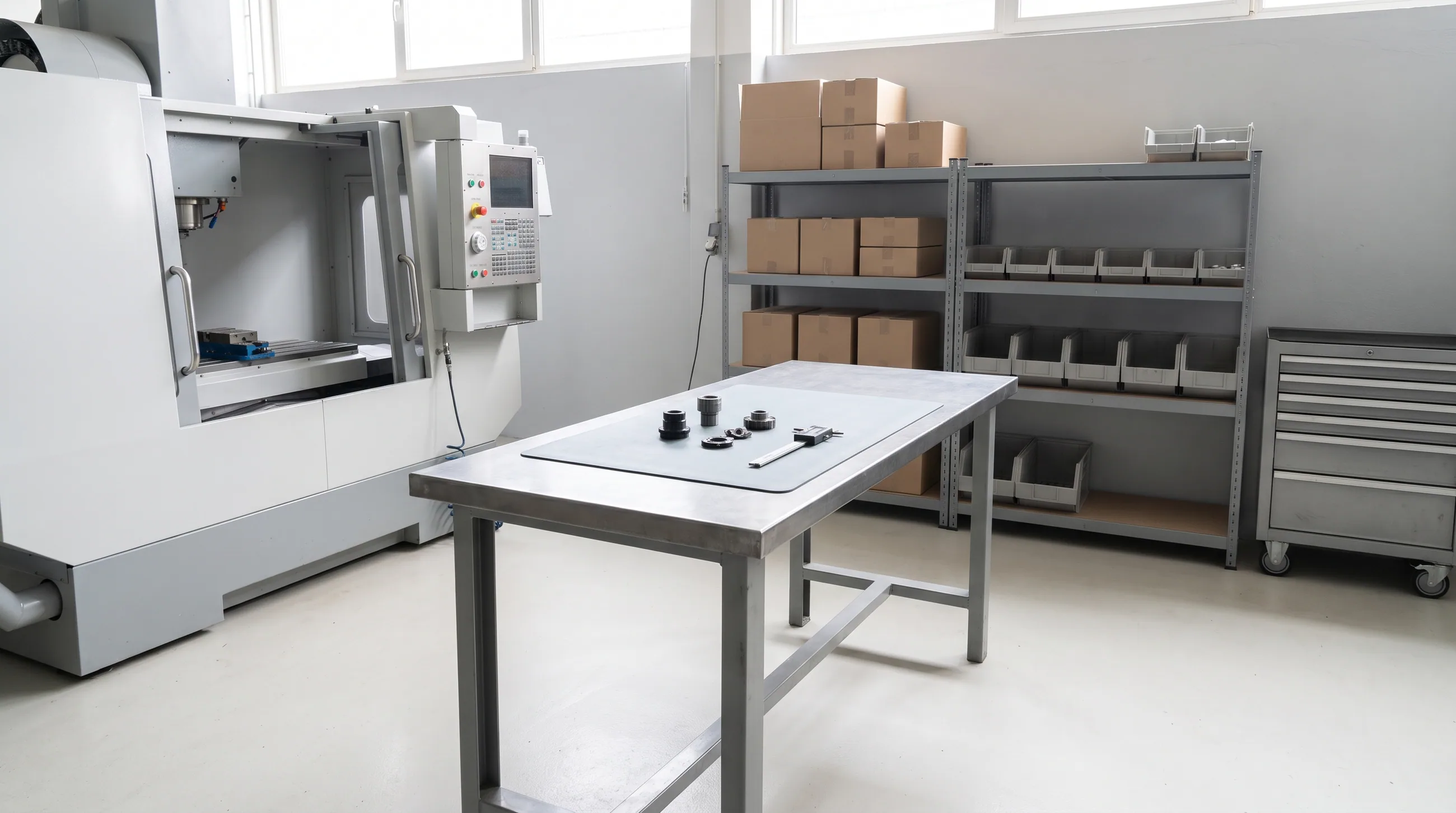
A water block is a piece of machined copper with a fin field in it. What separates a good one from a bad one is channel geometry, base flatness and the plating process. All three can be measured, so all three are printed on the product page — including the flow restriction, which is the number that quietly disappears off a spec sheet when it is inconvenient.
Why there is no lighting on anything
Not as a stance. A fan that has to route power and a controller board for an LED ring is a fan that took on a design constraint we did not want, and every one of those constraints gets paid for somewhere in the blade profile or the bearing. If you want the loop lit, light it with somebody else’s parts — ours are standard sizes and standard threads, and they will fit.
Why the plating process is named
Nickel that flakes is the oldest failure in this category, and it is a plating-process problem: micro-porosity in a thin electroplated layer over a poorly prepared copper surface. The flakes are hard enough to jam another block and kill a pump. Our cold plates are electroless nickel over C110 copper, and the warranty covers plating failure explicitly rather than treating it as a coolant-choice argument.
Why the coolant is clear
Pigment is the most common cause of a fouled micro-fin channel — the dye is the first thing to drop out of suspension, and it lands in the 0.18 mm passages we spent the effort machining. A dyed loop looks better for a season and costs a strip-down. So the fluid we sell is clear, inhibited for a copper, brass and nickel loop, and premixed so there is no dilution step to get wrong.
What we publish that is not flattering
A distribution plate is the least forgiving part in a build and will be wrong if the case is measured wrong. Rigid tubing cracks if you bend it cold. A radiator that fits your case on paper may not clear its own fittings. Over-tightening a compression fitting causes leaks rather than preventing them, and cracks acrylic. All of that is on the product pages, because a return costs us both more than a paragraph does.
Are there reviews?
Not yet, and we would rather say so. You will not find a star rating, a review count or a testimonial anywhere on this site, because there is nothing real to put in one. When there are genuine reviews from people who bought something, they will appear, and they will be attributable. Until then the only claims here are about our own terms and our own process — the warranty, the tolerances, the test pressure — which are things we control rather than things we would be asserting about a past we do not have.
What the warranty covers
5 years against manufacturing defect and against seal failure under normal operating conditions. Normal means an inhibited premix, a loop leak-tested before power, and fittings torqued by hand. It does not cover a loop run dry, or a block cracked by driving a fitting into it with a tool. Claims need the serial on the part, not the box and not the receipt.
Questions before you order are welcome — see contact, or read building a loop if this is your first one.